Artificial intelligence: an introduction for beginners
In just a few years, artificial intelligence has gone from a topic for research conferences to a tool people use every …

I love learning new things. Everything interests me: how you can even imagine something as small as an atom, what happens in space, why the world works the way it does. These questions often go far beyond what I understand, and that is exactly what draws me in. I am curious, and a new topic is always a challenge for me, not a burden.
At the same time, I was not born a genius. Many topics are hard for me, and it usually takes me a good while to master them. To make learning pay off, I came up with a simple test: if I can explain the material so that anyone understands it, I have really understood it. If I can’t, I know there is a gap somewhere, and I go back to the topic.
At my previous job I discovered one more thing: I like sharing knowledge, especially when it is useful to someone. Complex technical things become valuable when they can be explained without unnecessary complications and when they are accessible not only to a narrow circle of specialists.
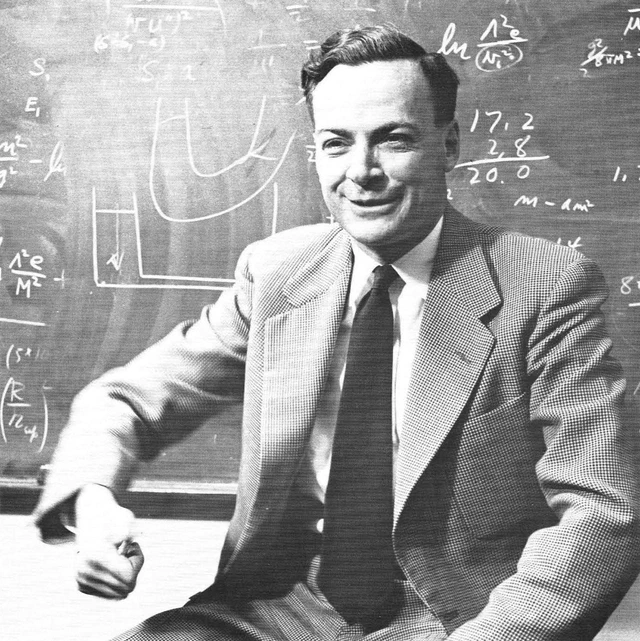
This approach is not new. I was inspired by Richard Feynman’s book “Surely You’re Joking, Mr. Feynman!”. Among other things, he describes students who learned physics by heart: they could recite definitions but could not apply them to real phenomena. Throughout the book he works things out for himself, from fixing radios to physics problems, instead of accepting a ready-made answer. For me it is a great illustration of the difference between memorizing and understanding.
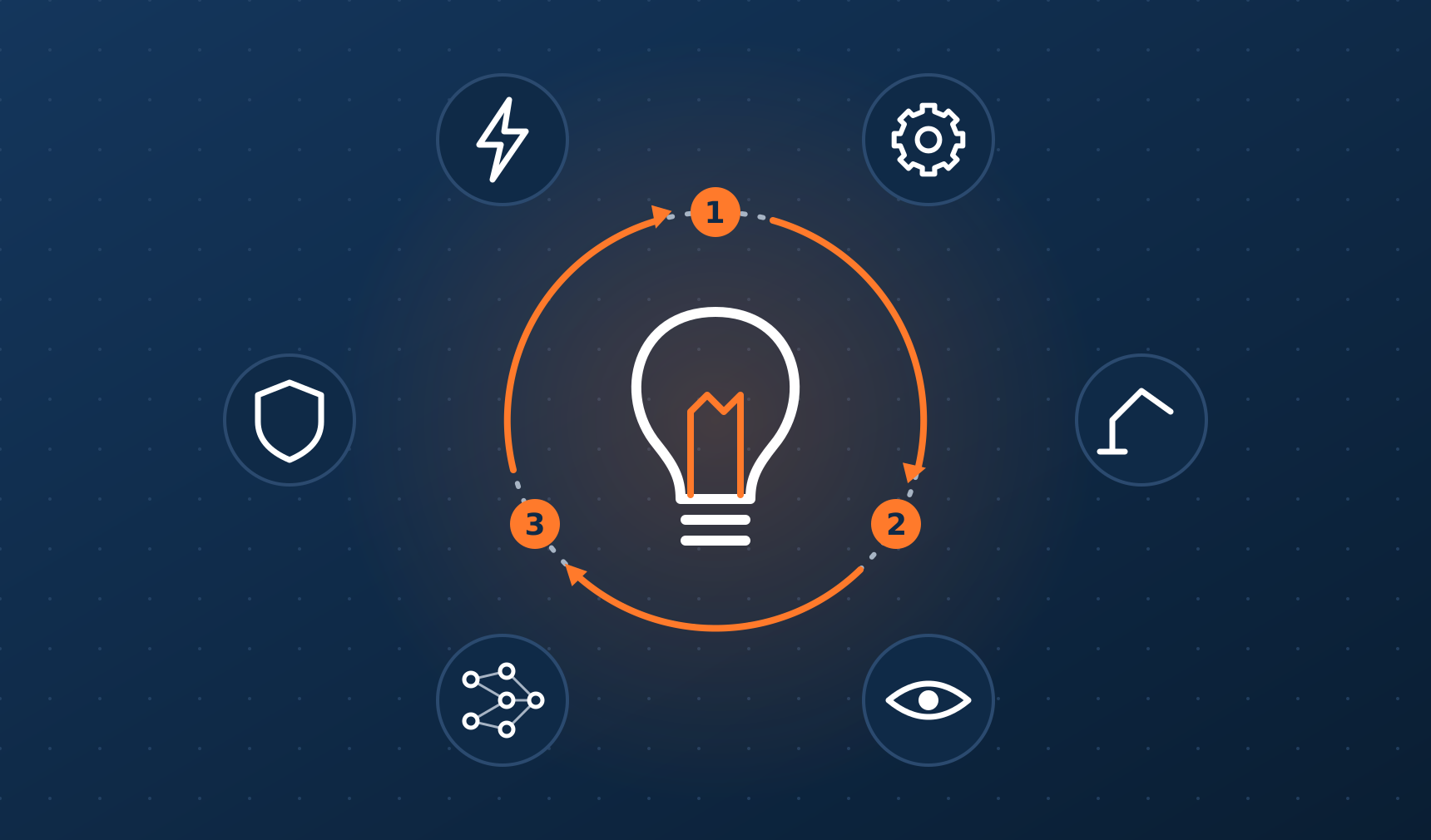
Later this principle was shaped into a popular learning technique known as the Feynman method: explain a topic in simple words, find the places where you get stuck, and go back to the source. I use it for my own learning, and this blog became its continuation.
and back to step 1
This blog is my space to explore what inspires me. I want not just to accumulate knowledge but to structure it so that it is useful: to cover topics from industrial automation to robotics, computer vision and cybersecurity, and to figure them out together with you.
Here the complex becomes simple, and learning turns into an exciting exchange of experience. Welcome to my path of continuous growth!
In just a few years, artificial intelligence has gone from a topic for research conferences to a tool people use every …
Your phone unlocks when it sees your face. A camera in a factory spots a scratch on a part in a fraction of a second, …